The Real Reason You Freeze in Photos

Stop overthinking. Start focusing.
The Real Reason You Freeze in Photos
(And It’s Not Your Face or Body) If you’ve ever looked at a photo of yourself and thought,
“Why do I look so stiff?”
“Why can’t I relax?”
“Why does everyone else look natural but me?”
Let me say this clearly:
It’s not your face.
It’s not your body.
And it’s definitely not your age or weight.
The real reason you freeze in photos is far more human — and far more fixable — than you’ve been led to believe. Freezing Isn’t a Physical Problem — It’s a Nervous System Response . When a camera is pointed at you, your body isn’t thinking about angles or posture.
It’s thinking:
Am I being judged?
Do I look okay?
What if I don’t like this photo?
In that moment, your nervous system often shifts into self-protection mode. Your breath becomes shallow. Your shoulders tense. Your face tries to “perform” instead of exist. This is why telling yourself to “just relax” never works. You’re not relaxed because your body doesn’t feel safe yet.
Why You Assume It’s About Your Appearance
Most people blame:
Their weight
Their smile
Their age
Their “bad side”
Their lack of photogenic features
But here’s the truth:
If it were about looks, confident people would only exist in one body type, age group, or face shape. They don’t. Confidence in photos shows up in people of every size, background, and stage of life — because what you’re responding to isn’t how you look. It’s how exposed you feel.
The Camera Triggers Self-Awareness — Not Flaws
The camera acts like a spotlight. Suddenly, you’re hyper-aware of:
Where your hands are
What your face is doing
How your body feels
Whether you’re “doing it right”
That awareness pulls you out of your body and into your head. And when you’re in your head, your body freezes. Not because something is wrong with you — but because no one ever taught you how to stay grounded while being seen.
Why Mirror Practice and Posing Tips Aren’t Enough
It’s a start to gaining confidence. Practicing poses in the mirror helps you recognize shapes. Watching reels gives you ideas.But neither trains your body to feel calm under observation until you get in front of the lens.
That’s why you can like how you look alone — but freeze the moment someone lifts a camera.
Confidence isn’t built by watching yourself. It’s built by experiencing safety while being seen.
Camera Confidence Is Learned Through Repetition — Not Perfection
People who look natural in photos didn’t wake up that way. They trained their nervous system through:
Repeated exposure
Guided feedback
Emotional regulation
Muscle memory
Their body learned:
I’m safe here.
I don’t need to perform.
I can breathe and stay present.
That’s why confidence shows up as ease — not effort.
What Actually Changes When You Stop Freezing
When camera confidence is trained correctly:
Your face softens without forcing it
Your posture improves naturally
Your movements slow down
Your expressions become real
You stop bracing for the shot
You don’t “try harder.” You feel safer. You feel freer. And that’s what reads as confidence.
This Is Exactly What I Teach Inside My Coaching
Inside my 1:1 coaching, we don’t chase perfect poses.
We train:
Emotional readiness
Body awareness
Camera exposure without overwhelm
Confidence that stays — not fades after one good photo
Because the goal isn’t just a good picture. It’s knowing that any time a camera comes out, you won’t disappear. If You’re Ready to Stop Freezing… You don’t need a new face. You don’t need a smaller body. You don’t need more willpower. You need the right training. And once your body learns safety, confidence follows.
✨ That’s not magic.
✨ That’s muscle memory.
If you want help building it, you know where to find me.
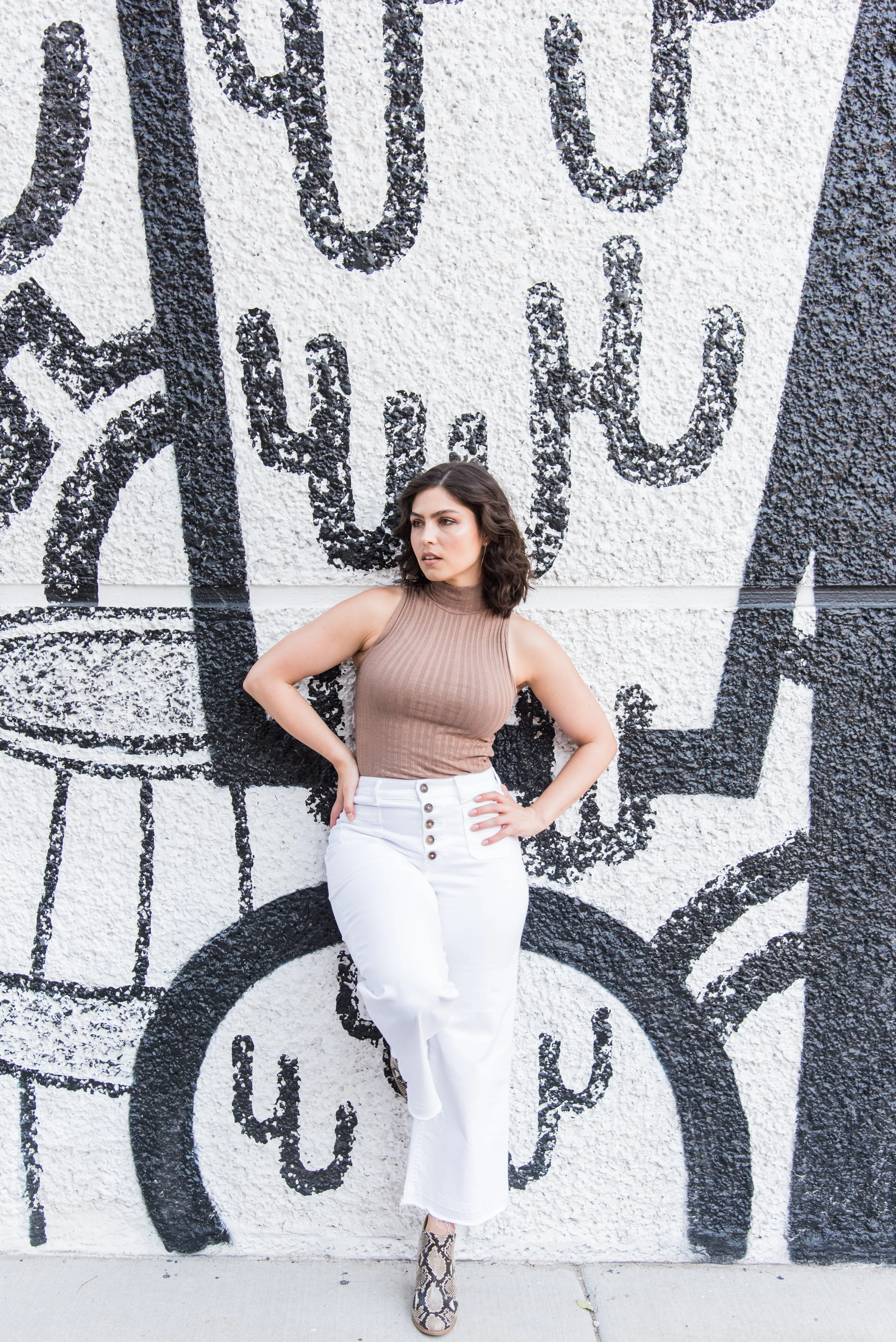

If you’ve ever looked at a photo of yourself and thought, “Why do I look so stiff?” you’re not alone.
One of the biggest mistakes I see people make during photoshoots is focusing too much on posing and not enough on movement.